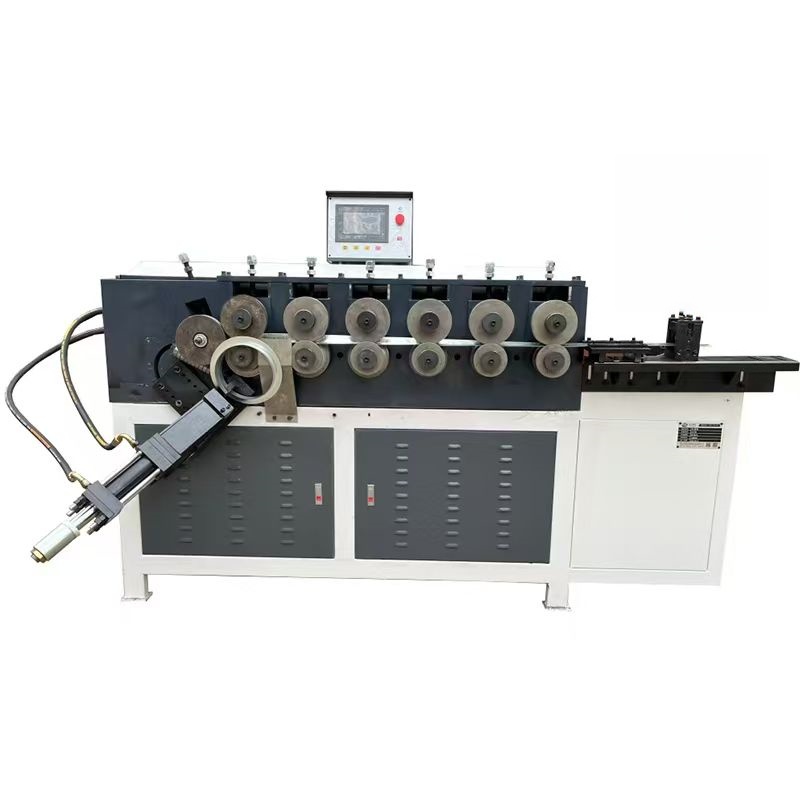
Plate rolling machine in a metal fabrication workshop

How to Roll Steel Conical Shells Without Distortion or Wrinkles

Rolling a conical shell is more demanding than rolling a straight cylinder. A cylindrical blank normally travels through the rollers in a relatively uniform path, while a cone requires different forming behavior at the large and small ends. The smaller end travels through a shorter circumference, the material does not deform uniformly across the plate,

Read More »
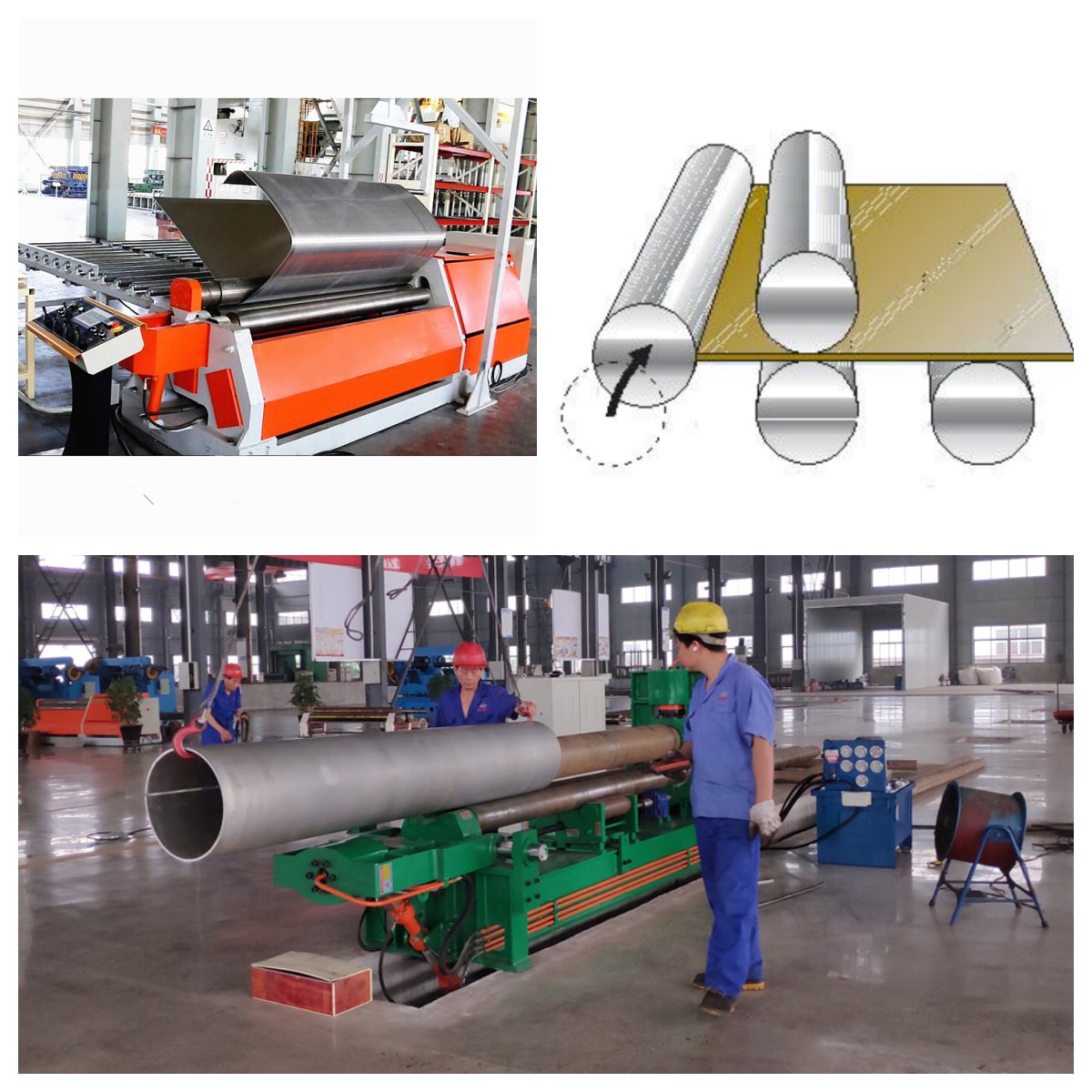
Plate rolling machine in cylinder fabrication workshop

How to Design a Rolling to Welding Production Line for Cylinders

A rolling to welding production line connects plate rolling, workpiece transfer, seam closing, longitudinal welding and inspection into one controlled fabrication workflow. For HVAC ducts, fan housings, stainless steel chimneys, tanks, flues and cylindrical pipe components, this connection determines whether parts move smoothly, whether roundness is preserved and whether the seam arrives at welding in

Read More »
4 roller plate rolling machine in a fabrication workshop

How to Diagnose and Correct Common Plate Rolling Defects in Cylinders

A rolled cylinder can look acceptable when it leaves the machine but still create problems at the next operation. A small cone shape can prevent flange fit-up. A barrel-shaped shell can create inconsistent clearances. Remaining flat ends can leave an open longitudinal seam. Plate slippage can make the final diameter unpredictable from part to part.

Read More »
4 roller plate rolling machine in a fabrication workshop

Minimum Rolling Diameter and Springback for Rolled Steel Cylinders

Minimum rolling diameter is one of the most misunderstood figures in cylindrical sheet metal fabrication. A machine specification may list a reference diameter, but that number does not automatically apply to every plate, every thickness, every material grade, or every finished-part tolerance. A cylinder made from 0.8 mm cold-rolled steel behaves very differently from one

Read More »

HOGI Automatic rolling welding production line

(Standard configuration: CNC four-roll plate bending machine + lifting-type longitudinal seam welding machine; automated production line for shells/shell sections; suitable for fan casings, stainless steel cylinders, water tanks, dust collector housings, and pressure vessel shell sections.) Step 1: Automatic loading, sheet separation, conveying, and centering: The sheet stack is placed on the raw material rack,

Read More »
Longitudinal Seam Welding System

Working Principle of a Longitudinal Seam Welding System for Tanks and Ducts

A longitudinal seam welding system is more than a welding torch moving along a straight line. It combines mechanical positioning, precise motion control, stable heat input and intelligent process management to produce consistent, low-deformation welds on cylinders, flat plates and open-ended square boxes. For engineers who need to understand the inner logic of the equipment,

Read More »
Longitudinal Seam Welding Machine

How to Choose a Longitudinal Seam Welding Machine for Tanks and Ducts

When fabricating air tanks, gas cylinders, stainless chimneys or HVAC ducts, the quality of the longitudinal seam often determines the overall performance of the product. A poorly selected welding system can lead to excessive deformation, inconsistent weld appearance, or frequent rework, which directly affects delivery time and cost. For engineers and procurement teams in the

Read More »
bending

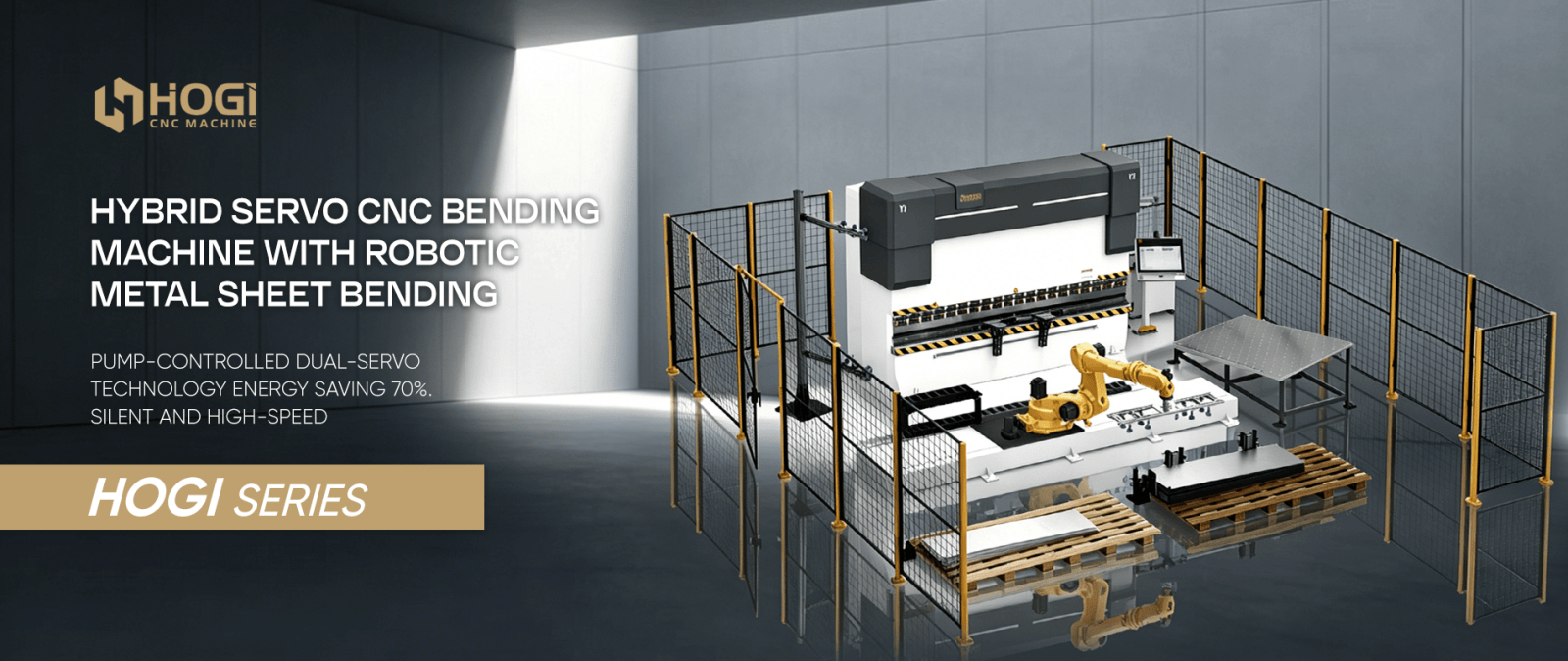
HOGI Automated Sheet Metal Bending Equipment

Automated Sheet Metal Bending Equipment (Robotic Bending Cell / Fully Automatic Bending Center) Standardized, comprehensive production workflow for fully automated sheet metal bending The entire line comprises: upstream loading → sheet positioning and bending → robotic flipping for multi-stage bending → in-line angle inspection → unloading and palletizing → finished product dispatch. There are two

Read More »
Scroll to Top
Scroll to Top