Category: Uncategorized

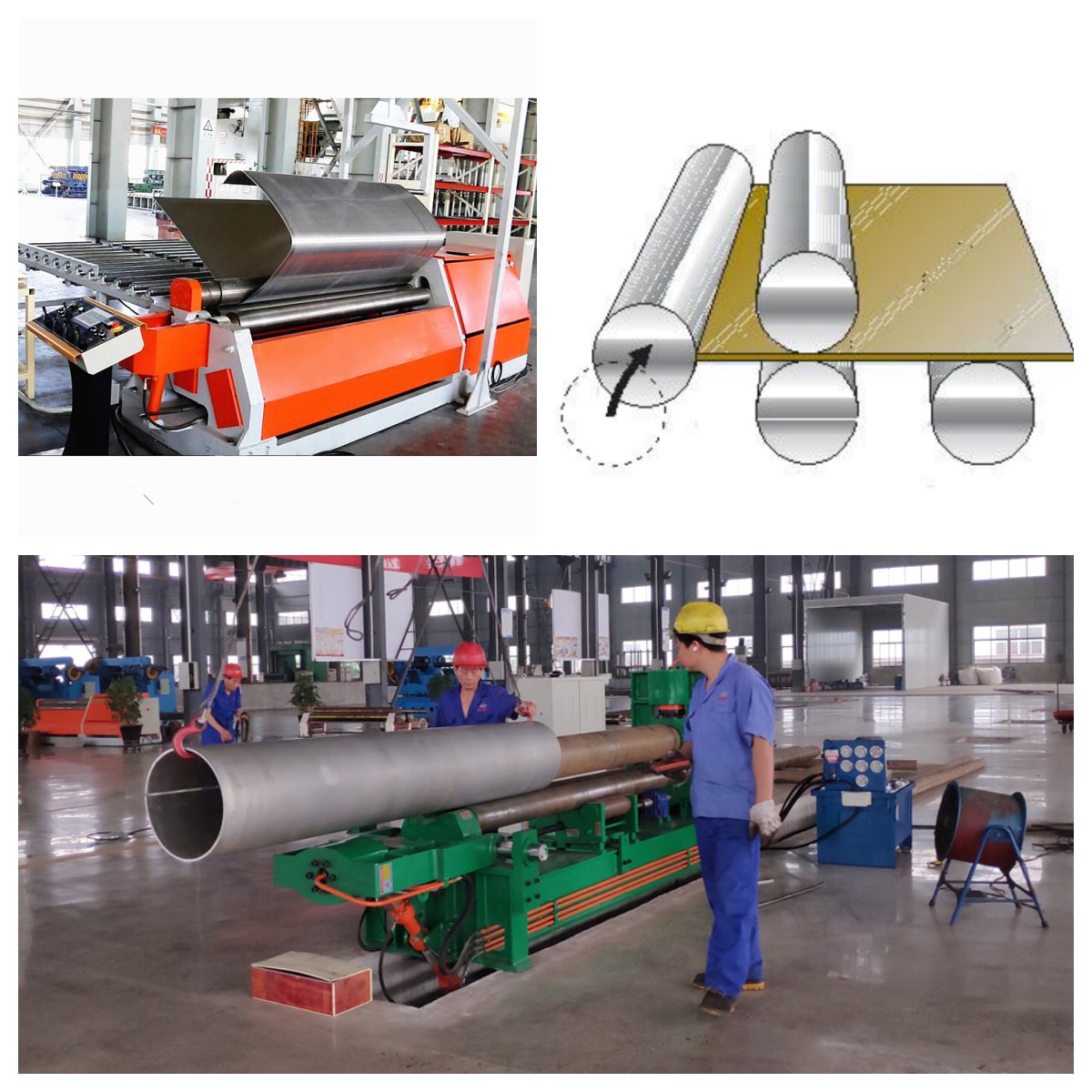
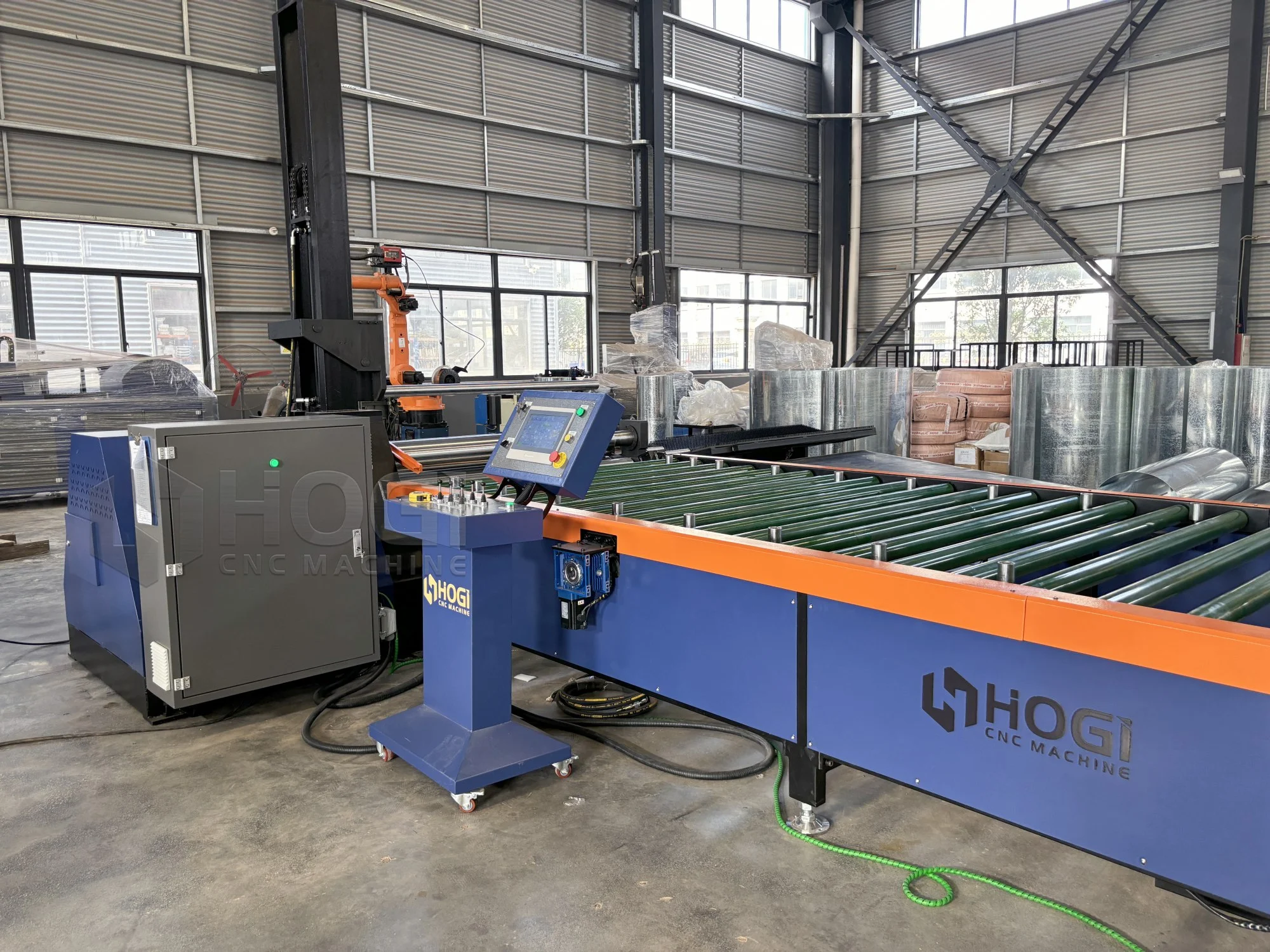
Plate rolling machine in a metal fabrication workshop

How to Roll Steel Conical Shells Without Distortion or Wrinkles

Rolling a conical shell is more demanding than rolling a straight cylinder. A cylindrical blank normally travels through the rollers in a relatively uniform path, while a cone requires different forming behavior at the large and small ends. The smaller end travels through a shorter circumference, the material does not deform uniformly across the plate,

Read More »
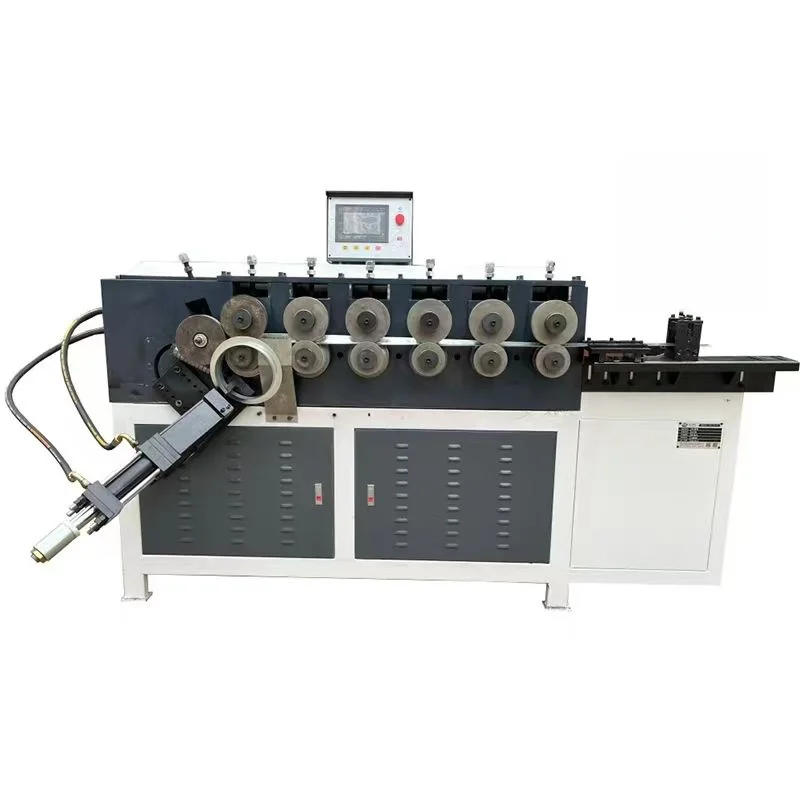
Plate rolling machine in cylinder fabrication workshop

How to Design a Rolling to Welding Production Line for Cylinders

A rolling to welding production line connects plate rolling, workpiece transfer, seam closing, longitudinal welding and inspection into one controlled fabrication workflow. For HVAC ducts, fan housings, stainless steel chimneys, tanks, flues and cylindrical pipe components, this connection determines whether parts move smoothly, whether roundness is preserved and whether the seam arrives at welding in

Read More »
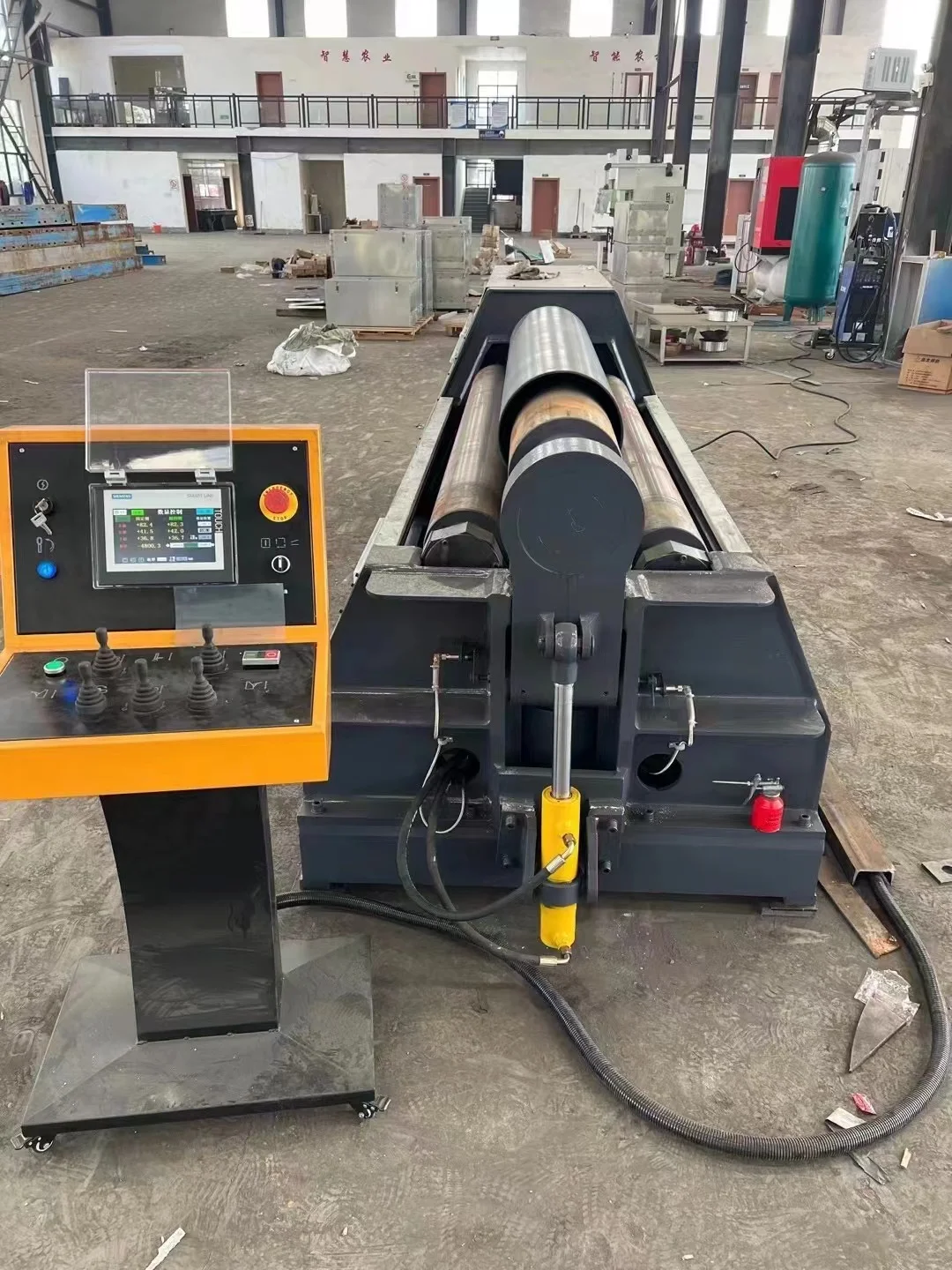
4 roller plate rolling machine in a fabrication workshop

How to Diagnose and Correct Common Plate Rolling Defects in Cylinders

A rolled cylinder can look acceptable when it leaves the machine but still create problems at the next operation. A small cone shape can prevent flange fit-up. A barrel-shaped shell can create inconsistent clearances. Remaining flat ends can leave an open longitudinal seam. Plate slippage can make the final diameter unpredictable from part to part.

Read More »

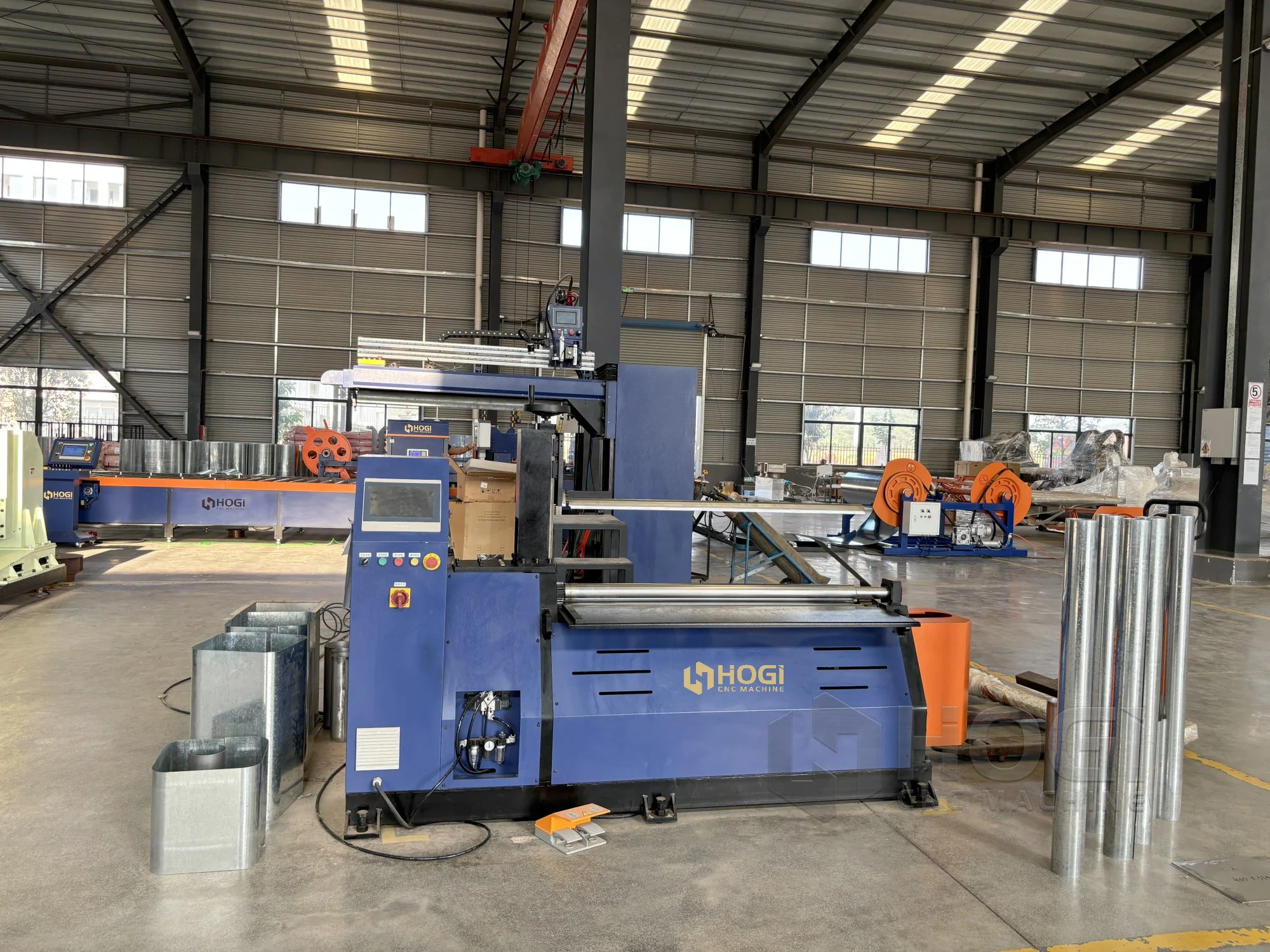
HOGI Automatic rolling welding production line

(Standard configuration: CNC four-roll plate bending machine + lifting-type longitudinal seam welding machine; automated production line for shells/shell sections; suitable for fan casings, stainless steel cylinders, water tanks, dust collector housings, and pressure vessel shell sections.) Step 1: Automatic loading, sheet separation, conveying, and centering: The sheet stack is placed on the raw material rack,

Read More »
bending

HOGI Automated Sheet Metal Bending Equipment

Automated Sheet Metal Bending Equipment (Robotic Bending Cell / Fully Automatic Bending Center) Standardized, comprehensive production workflow for fully automated sheet metal bending The entire line comprises: upstream loading → sheet positioning and bending → robotic flipping for multi-stage bending → in-line angle inspection → unloading and palletizing → finished product dispatch. There are two

Read More »
decoiler

Laser coil Uncoiling and Blanking Line

HOGI Automatic coil laser cutting line (also commonly known as a laser uncoiling and blanking line) is a fully continuous, automated production line that transforms steel coils, stainless steel coils, or aluminum coils directly from a “single coil” into “individual custom-shaped parts”: uncoiling → leveling → feeding → laser cutting → sorting and stacking. It

Read More »
tool

press brake Die

Design and Cutting: Order Confirmation + Drawing Design: Create 3D drawings using CAD/UG based on the customer’s specifications for sheet thickness, angle, length, and machine model. Specify: Upper die angle (primarily 88°), lower die V-groove width, total length / sections, height, and cutting edge radius. Material Selection: Mainstream: 42CrMo (HRC 52–56), followed by Cr12MoV and

Read More »
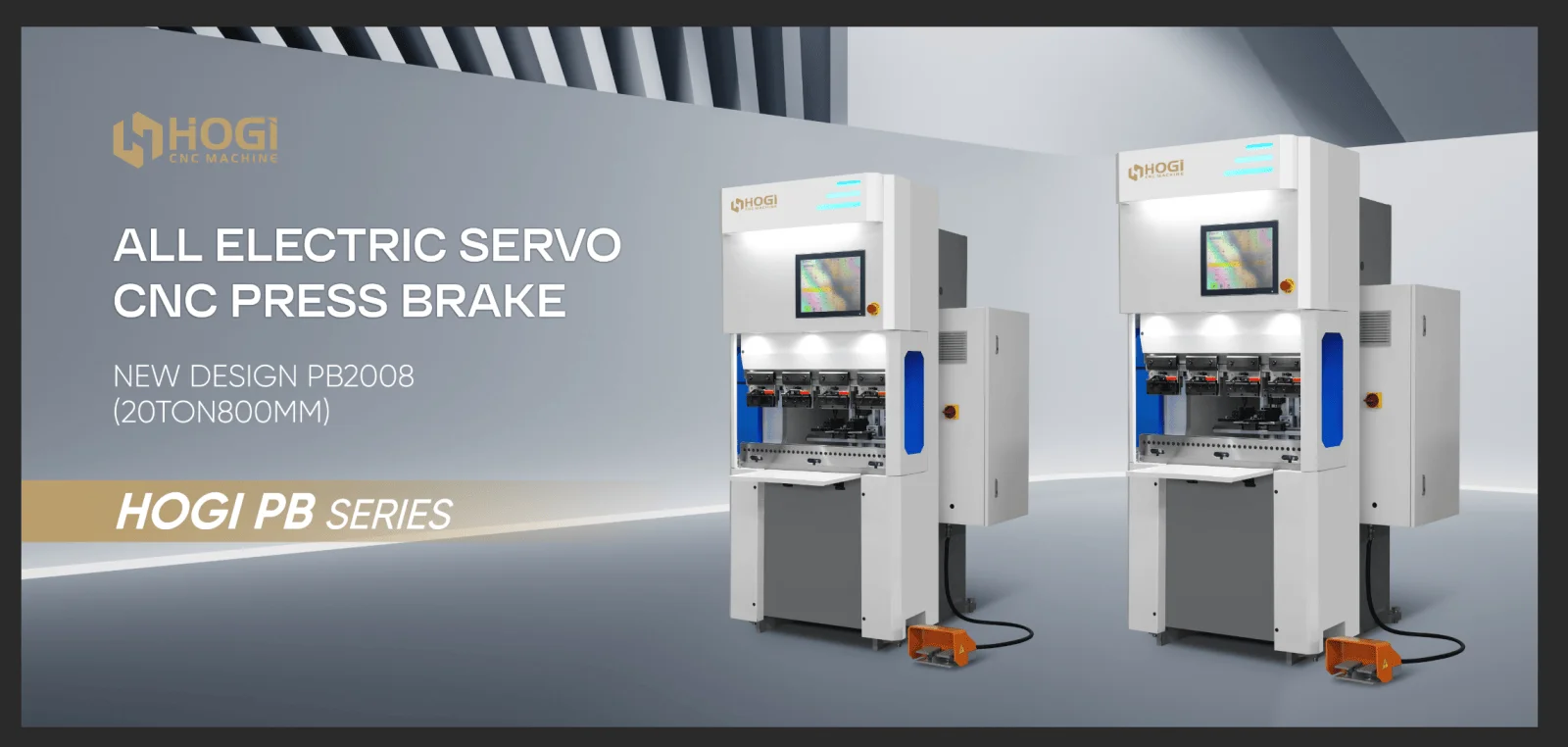
PB SERIES

Small bending machine is essential for metal processing

Hogi Small bending machines are a compact type of bending machine, mainly used for bending and shaping metal sheets, pipes or wires. They are characterized by their relatively small size and compact structure, making them suitable for small-batch production, repair workshops, laboratories or processing environments with limited space. Common types include manual, hydraulic, servo electric

Read More »
robot bending

HOGI Robotics’ fully automated bending machines Collaborative robot

HOGI Robotics’ fully automated bending machines are revolutionizing traditional metalworking. With 0.01-millimeter precision and AI-driven dynamic compensation, they boost the first-pass yield rate to 98%, increase per-machine output by 300%, and achieve zero workplace injuries. Flexible production further reduces costs for small-batch orders by 40%. This dual revolution in efficiency and safety is rewriting the

Read More »
Scroll to Top
Scroll to Top