Category: News

cnc hydraulic rolling machine

Plate Rolling and Welding Acceptance Tests: What to Verify Before Production

Plate Rolling and Welding Acceptance Tests: What to Verify Before Production A successful demonstration does not necessarily prove that a rolling and welding system is ready for your production requirements. One cylinder may look satisfactory while repeatability, transfer conditions, weld quality or sustained output remain unverified. A plate rolling machine acceptance test should connect the

Read More »
hogi cnc rolling machine

Plate Rolling Machine Changeover: A Setup Checklist for Mixed-Size HVAC Ducts

Plate Rolling Machine Changeover: A Setup Checklist for Mixed-Size HVAC Ducts In mixed-size HVAC duct production, lost time often occurs between batches rather than during rolling. Searching for the correct program, checking incoming blanks, preparing supports and waiting for first-piece approval can keep the next order from starting. A repeatable plate rolling machine changeover process

Read More »
Plate Bending Rolls

Plate Rolling Defects: Troubleshooting Ovality, Taper and Seam Mismatch

Plate Rolling Defects: Troubleshooting Ovality, Taper and Seam Mismatch A rolled cylinder can have the correct average diameter and still fail inspection. Its cross-section may be oval, one end may be larger than the other, or the longitudinal edges may not align for welding. These problems require different checks—not the same machine adjustment. When troubleshooting

Read More »
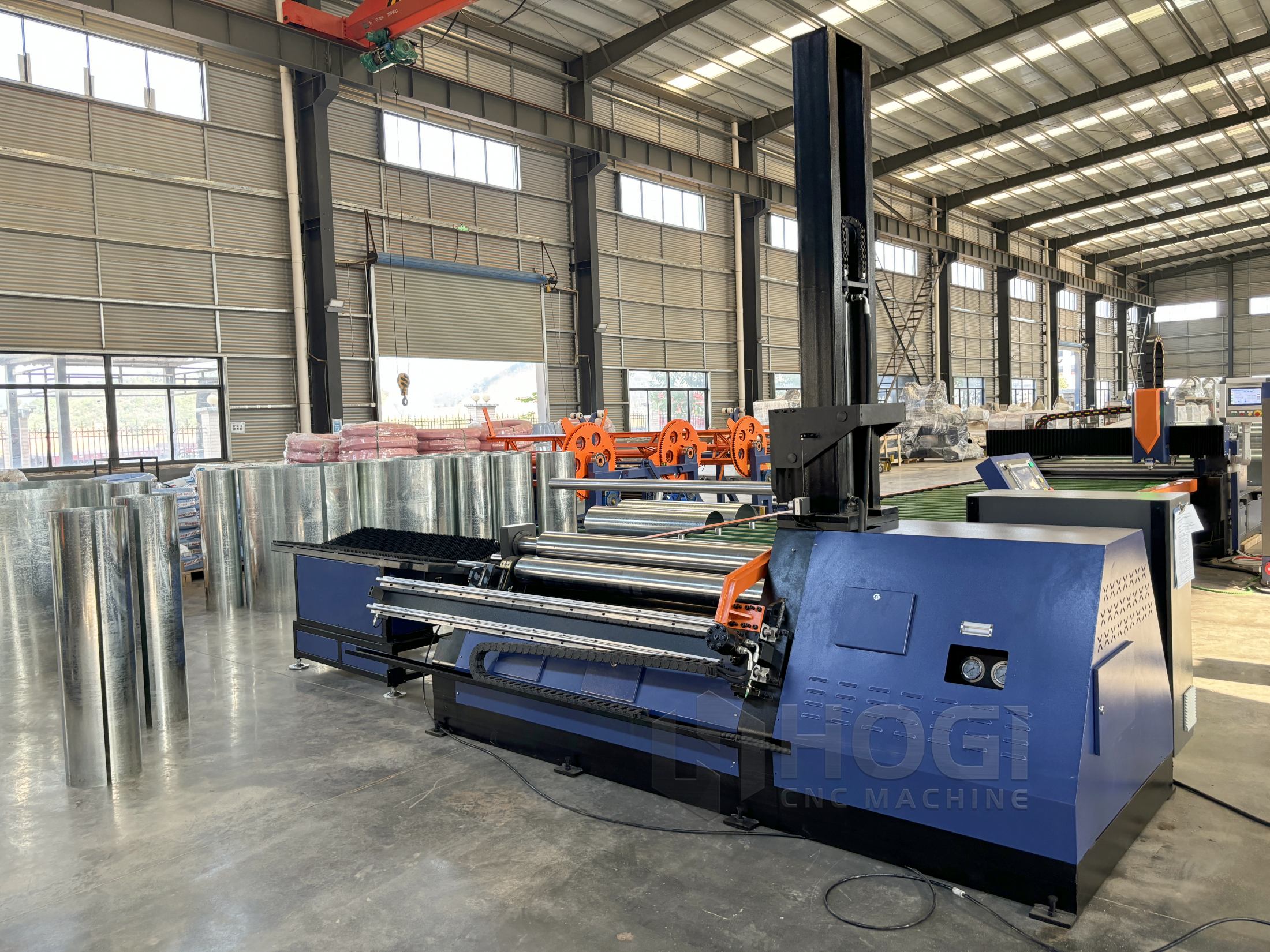
4 roller plate rolling machine in a fabrication workshop

Minimum Rolling Diameter and Springback for Rolled Steel Cylinders

Minimum rolling diameter is one of the most misunderstood figures in cylindrical sheet metal fabrication. A machine specification may list a reference diameter, but that number does not automatically apply to every plate, every thickness, every material grade, or every finished-part tolerance. A cylinder made from 0.8 mm cold-rolled steel behaves very differently from one

Read More »
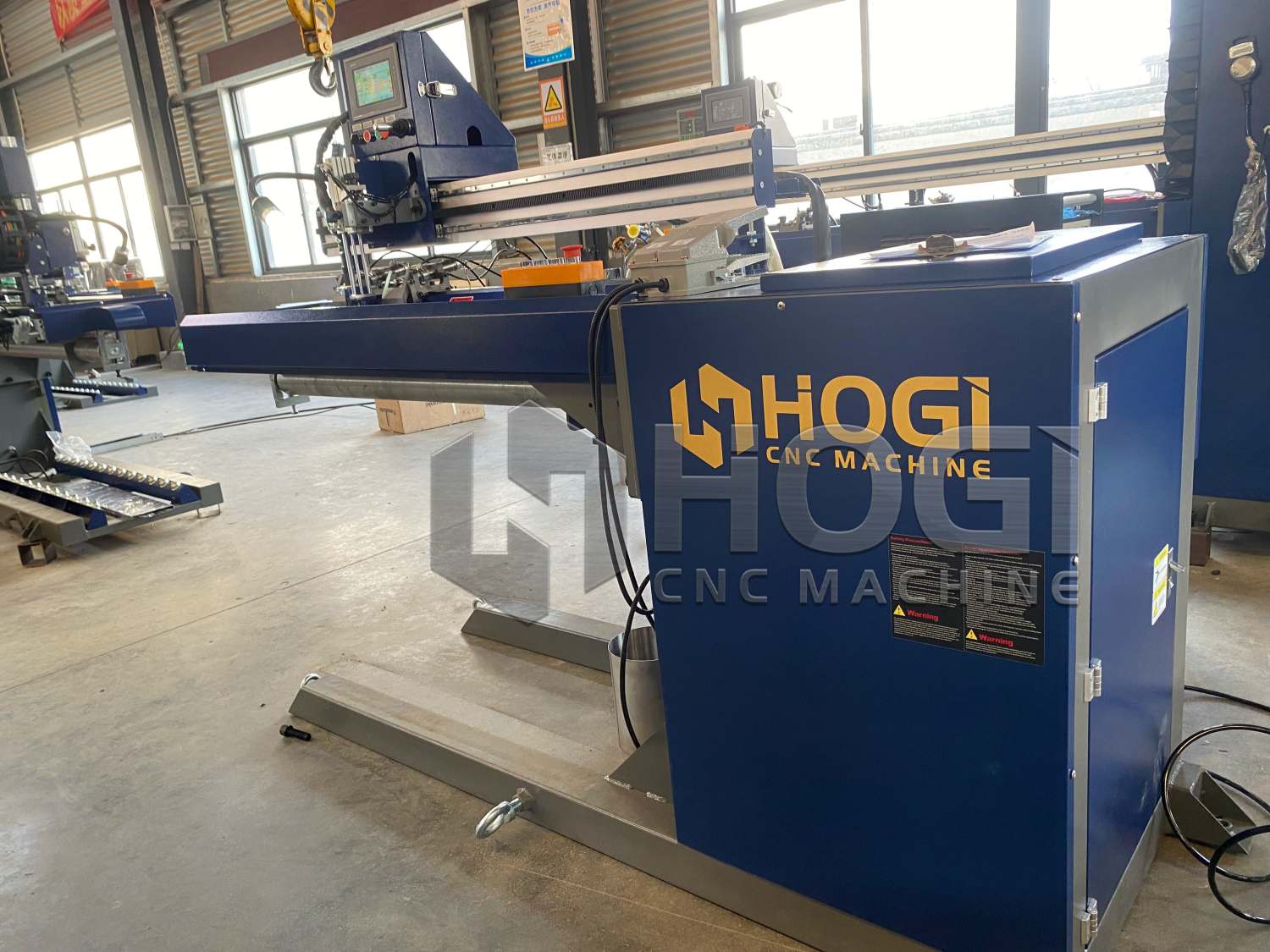
Longitudinal Seam Welding System

Working Principle of a Longitudinal Seam Welding System for Tanks and Ducts

A longitudinal seam welding system is more than a welding torch moving along a straight line. It combines mechanical positioning, precise motion control, stable heat input and intelligent process management to produce consistent, low-deformation welds on cylinders, flat plates and open-ended square boxes. For engineers who need to understand the inner logic of the equipment,

Read More »
Scroll to Top
Scroll to Top